


Academic Programme
Seminar Leaders
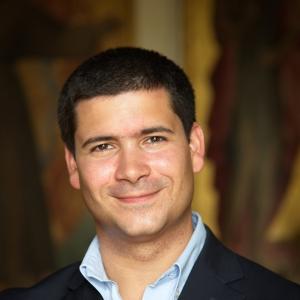
Dr Nuno Castel-Branco
Dr Castel-Branco is a Research Fellow at All Souls College, Oxford. He completed his Ph.D. in the history of science at Johns Hopkins University in 2021 after earning an M.Sc. in Physics at the University of Lisbon. Previously, he was a Research Fellow at Harvard University’s Villa I Tatti in Florence and at the Max Planck Institute for the History of Science in Berlin. He has spoken about Galileo, Copernicus, and science and religion to broad audiences in the United States and Europe. His first book, The Traveling Anatomist, uses Nicolaus Steno as a ‘tour guide’ for science, medicine, and religion in seventeenth-century Europe. His writing has appeared in places like the Wall Street Journal and Scientific American.
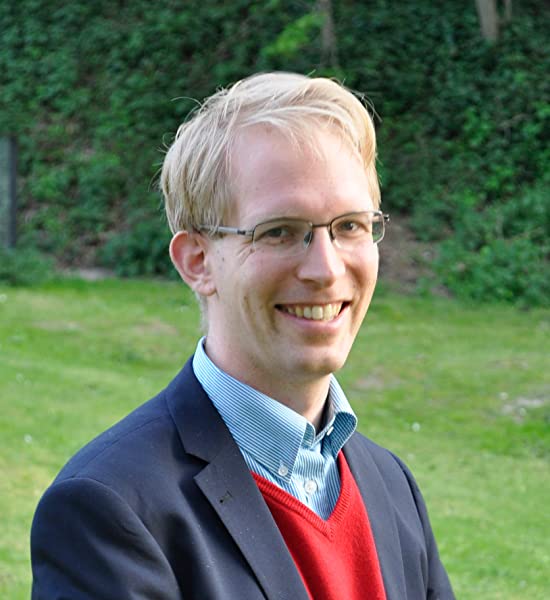
Dr Daniel Bernardus (Daan) van Schalkwijk
Dr van Schalkwijk is a core faculty member at Amsterdam University College. He holds a PhD in theoretical biology, and is now pursuing a second PhD in philosophy, investigating the philosophical anthropology of Spanish philosopher Leonardo Polo. Daan has written several educational books, that in different ways contribute to his core passion: helping people get to know their own intimacy and finding the way to integral personal growth through non-fiction and stories.
Seminars
Seminar Title: What is the Intellectual Life?
Seminar Leader: Dr Nuno Castel-Branco
Summary: Why is a life of learning worth pursuing in the twenty-first century? What can Oxford teach you about this? This seminar will help you make the case for the life of the mind in an AI-dominated age using the writings of the Oxford intellectual CS Lewis and the classic 20th-century masterpiece on The Intellectual Life.
Bibliography: Sertillanges, "The Intellectual Life", Chapters 1–6.
C.S. Lewis, “Learning in War Time”
____________________________________________________
Seminar Title: How to Live an Intellectual Life?
Seminar Leader: Dr Nuno Castel-Branco
Summary: How can the life of the mind be lived? What habits should we develop to succeed at it? Discover the essential virtues and conditions of the intellectual life according to the timeless advice of A. G. Sertillanges.
Bibliography: Sertillanges, "The Intellectual Life", Chapters 7–9.
____________________________________________________
Seminar Title: Mastering the Modern Mind
Seminar Leader: Dr Nuno Castel-Branco
Summary: Become the master of your mind by developing the best techniques of deep work. These methods. will not only help you in your studies, but also in any career you may follow.
Bibliography: Cal Newport, Deepwork, Part II
____________________________________________________
Seminar Title: "Who am I? - insights from the history of philosophy, relational economics, and spiritual traditions" (I)
Seminar Leader: Dr Daan van Schalkwijk
Summary: Who am I? Insights from the history of philosophy. Who am I in the workplace? Insights from relational economics. Business case.
Bibliography: Leonardo Polo, Daniel Bernardus (2020) Freedom in Quarantine, part I.
____________________________________________________
Seminar Title: "Who am I? - insights from the history of philosophy, relational economics, and spiritual traditions" (II)
Seminar Leader: Dr Daan van Schalkwijk
Summary: Who am I in practice? Reaching unity of life: the biggest challenges and some practical solutions. Insights from various philosophical traditions.
Bibliography: Daniel Bernardus, Manon Blanke, Lans Bovenberg (2021) Win Win Win. Pp 141-146
Previous Academic Programmes:
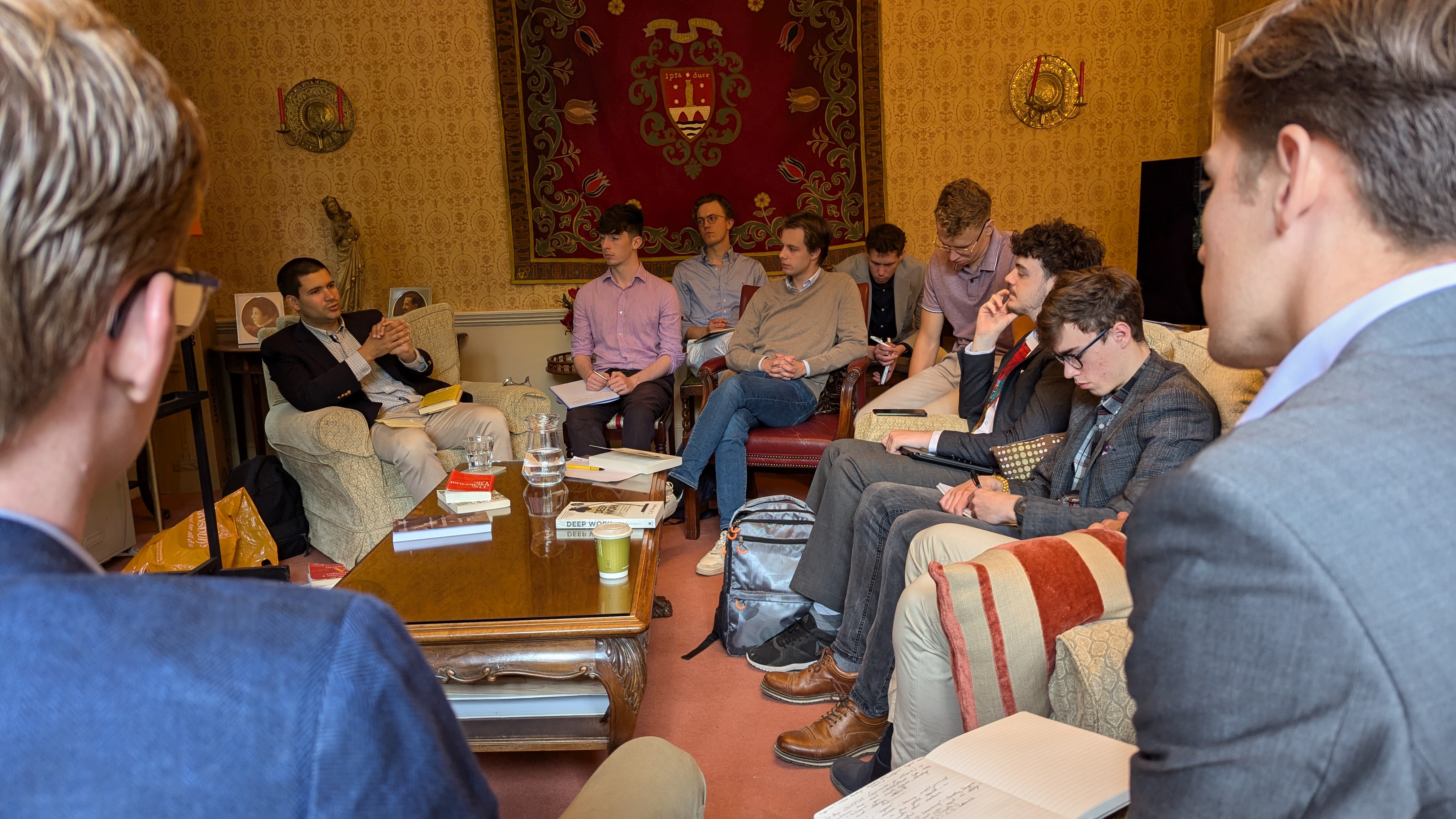
OSS24
Seminar Title: Intellectual life.
Seminar Leader: Dr Nuno Castel-Branco
Summary: What does it mean to have an Intellectual Life? Do you have one? These sessions will show why you should cultivate a deep and demanding successful life, even if you plan to work outside the university.
Course bibliography: Cal Newport, Deep Work
Seminar Title: Science and Religion – historic perspective on the contemporary debate.
Seminar Leader: Dr Nuno Castel-Branco
Summary: It is something of a myth that science and religion are perennially in conflict. But how exactly do they interact? Through a survey of the history of science, you will learn the role of religion in astronomy, atomism, evolution, anatomical dissections, and even in censorship.
Course bibliography: Numbers (ed.), Galileo Goes to Jail and Other Myths on Science and Religion, Harvard University Press, 2009; Galileo, Letter to the Grand Duchess.
Seminar Title: The Modern Renaissance of a Perennial Insight.
Seminar Leader: Niko Schonebaum Summary: The idea that virtues are at the core of our quest for living a happy and meaningful life is perennial in European intellectual life, at least since Aristotle, although it might seems to have hibernated for quite a while. Alasdair MacIntyre is the twentieth century philosopher to whom the renaissance of this idea is largely attributed. In the first seminar we will discuss a portion of his famous work After Virtue.
Course bibliography. MacIntyre, A, After Virtue (any edition)
Seminar Title: On the Shoulders of a Giant.
Seminar Leader: Niko Schonebaum
Summary: If the recent renaissance of virtue ethics is attributed to MacIntyre, its first 'naissance' or birth is generally considered the work of the great Aristotle. In this seminar we will discuss a central passage of his seminal and foundational work 'Nicomachean Ethics'.
Course bibliography: Aristotle, Nicomachean Ethics (any edition)
Seminar Title: Ancient Virtues for the Contemporary World: Political Thought of Augustine and the Ethos of Leadership.
Seminar Leader: Dr Alberto Garzoni
Summary: What can the citizens of secular societies learn from Augustine’s political thought and its legacy? The seminar will explore this question by examining how Augustine conceived of political leadership and the virtues associated with it. We will first discuss extracts from City of God as well as from Augustine’ sermons and letters to Roman public officials, and show that he frames his understanding of Christian statesmanship through virtues such as humility, patience, and charity. We will then map his insights onto contemporary examples of Christian political leadership.